The Psychological Costs of Gambling
Casino gambling often brings exhilaration and a sense of adventure, but it can also lead to significant psychological burdens, especially for those who frequent places like payid casinos where the stakes are high. Many individuals experience an emotional rollercoaster during their gambling sessions, feeling high while winning but dropping into despair during losses. This fluctuation can cause anxiety, depression, and stress. Gamblers may not realize that the thrill of the game can mask deeper emotional issues, which ultimately contributes to a decline in mental health.
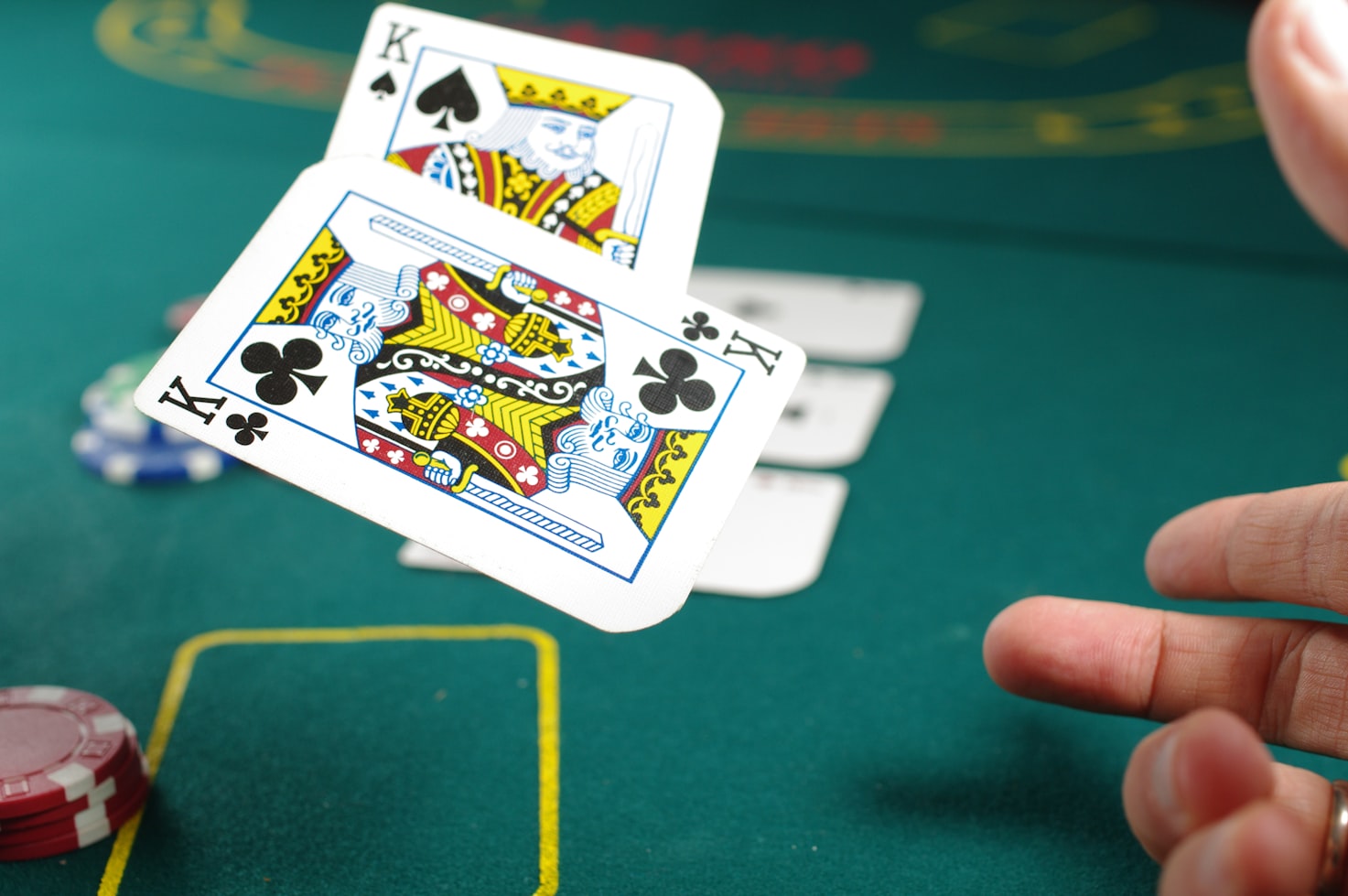
Moreover, the environment in casinos is meticulously designed to keep players engaged and often leads to prolonged gambling sessions. The sounds of jingling coins, flashing lights, and the overall ambiance can create an almost euphoric sensation. However, this sensory overload can lead to compulsive gambling behavior where individuals lose track of time and money. The mental health consequences can be severe, resulting in a need for professional counseling or intervention.
Additionally, individuals who gamble frequently might develop a gambling addiction, where the act of playing becomes a necessity rather than a choice. This addiction can strain relationships with family and friends, causing feelings of isolation. The emotional toll of managing such relationships while dealing with gambling’s ups and downs can add hidden costs that extend far beyond money. Thus, the psychological effects of gambling can have a far-reaching impact on one’s overall quality of life.
Financial Implications Beyond Losses
While the most obvious cost of gambling is the money lost at the tables or machines, there are hidden financial implications that can accumulate over time. For example, many gamblers may not account for the expenses connected to their gambling habits, such as transportation costs to and from casinos, accommodation fees for overnight stays, and even dining expenses while on-site. These costs can add up, significantly increasing the overall spending associated with what might seem like a simple evening of entertainment.
Moreover, some people underestimate the total amount they gamble over time, often leading to a painful realization when they assess their financial situation. The excitement of gambling can conceal the reality of how much money is actually being spent. This can lead to budgetary imbalances and difficulties in managing household expenses. Individuals might find themselves diverting funds from savings or essential living costs just to feed their gambling habits, further compounding their financial troubles.
In addition, the nature of gambling can also affect one’s credit score. Many gamblers may resort to borrowing money to fund their gambling activities, which can lead to mounting debts. Deferred payment plans or loans often come with high interest. If borrowers are unable to repay, they may face bankruptcy or foreclosure, a situation that extends the financial burden far beyond the casino floor. Moreover, such financial distress can have lasting effects, affecting a person’s ability to secure loans or mortgages in the future.
The Social Costs of Casino Gambling
The social implications of casino gambling are often overlooked, yet they can be significant. Gambling can negatively impact relationships, leading to conflicts and misunderstandings among friends and family. Many gamblers may hide their activities or lie about their losses, causing a rift in trust with loved ones. This deception can lead to the breakdown of relationships, resulting in loneliness and isolation as individuals withdraw from social circles.
Additionally, the community surrounding gambling can also experience repercussions. Regular casino patrons may inadvertently support local crime, as gambling can be linked to theft or embezzlement when individuals feel compelled to recover their losses. The societal costs can manifest in higher rates of crime and financial strain on local communities, particularly in areas where gambling venues are prevalent. Local businesses may also suffer when patrons divert their spending from dining and entertainment to casinos.
The normalization of gambling in society can also be troubling. As more people engage in gambling, particularly younger generations, the potential for addiction increases. This rise in gambling can desensitize communities to the associated risks and consequences, leading to a culture that trivializes these serious issues. Such a mindset can perpetuate the cycle of gambling addiction, making it difficult for individuals to seek help when needed, thereby amplifying the social costs involved.
The Cost of Time and Opportunity
One of the less tangible but significant costs of gambling is the time lost to gaming. Many people underestimate how many hours they spend in casinos or engaged in gambling activities. This time could be otherwise spent on productive endeavors such as advancing one’s career, pursuing hobbies, or strengthening relationships. As hours accumulate, the lost opportunities can lead to feelings of regret and unfulfillment.
Moreover, the time invested in gambling can create a cycle where individuals are forced to gamble more to recover their losses—this is commonly referred to as the “chasing losses” phenomenon. The more time one spends gambling, the more likely they are to neglect vital aspects of their life. As a result, gamblers might find themselves falling behind in work or personal commitments, further exacerbating their emotional and psychological burdens.
In the long term, these accumulated hours can represent a significant loss of life experience. People may miss out on special occasions, trips, or relationships because they have prioritized gambling over more rewarding activities. Consequently, this loss of time and opportunity can cast a long shadow over one’s life, leading to a lingering sense of dissatisfaction and regret. Acknowledging the cost of lost time can be an essential step toward making positive changes and prioritizing healthier habits.
Understanding the Broader Implications: Our Website
At our website, we believe it’s important to foster an informed understanding of the many costs associated with casino gambling. We provide comprehensive resources aimed at helping individuals recognize and confront the hidden expenses that often accompany gambling activities. Our goal is to empower gamblers with knowledge so they can make better choices that align with their financial and emotional well-being.
Through expert articles and guides, we delve deep into the various dimensions of gambling, including its psychological impacts, financial implications, and social consequences. We also offer insights into responsible gambling practices and support resources for those seeking help. By creating a platform where individuals can access valuable information, we hope to promote healthier gambling habits and encourage conversations around this often-stigmatized subject.
Whether you are a casual gambler or someone seeking more information about the risks, our website serves as a comprehensive resource tailored to your needs. We are committed to raising awareness of all aspects of gambling and its potential hidden costs, helping our visitors navigate their gambling experiences with more clarity and understanding.